The neighbourhood around the show
Alfama around your fado show
What stands near a fado show in Alfama: the cathedral, the viewpoints, the castle slope and the Museu do Fado, and how to fit them around the hour.
Reserve a place for the fado hour ↗Quick answer
Alfama is Lisbon's oldest neighbourhood, a maze of cobbled lanes between the São Jorge Castle and the Tagus. Around a fado show you can see the cathedral, the Miradouro de Santa Luzia, the castle slope and the Museu do Fado, all in the same few streets, if you allow for the hills.
Lisbon's oldest quarter
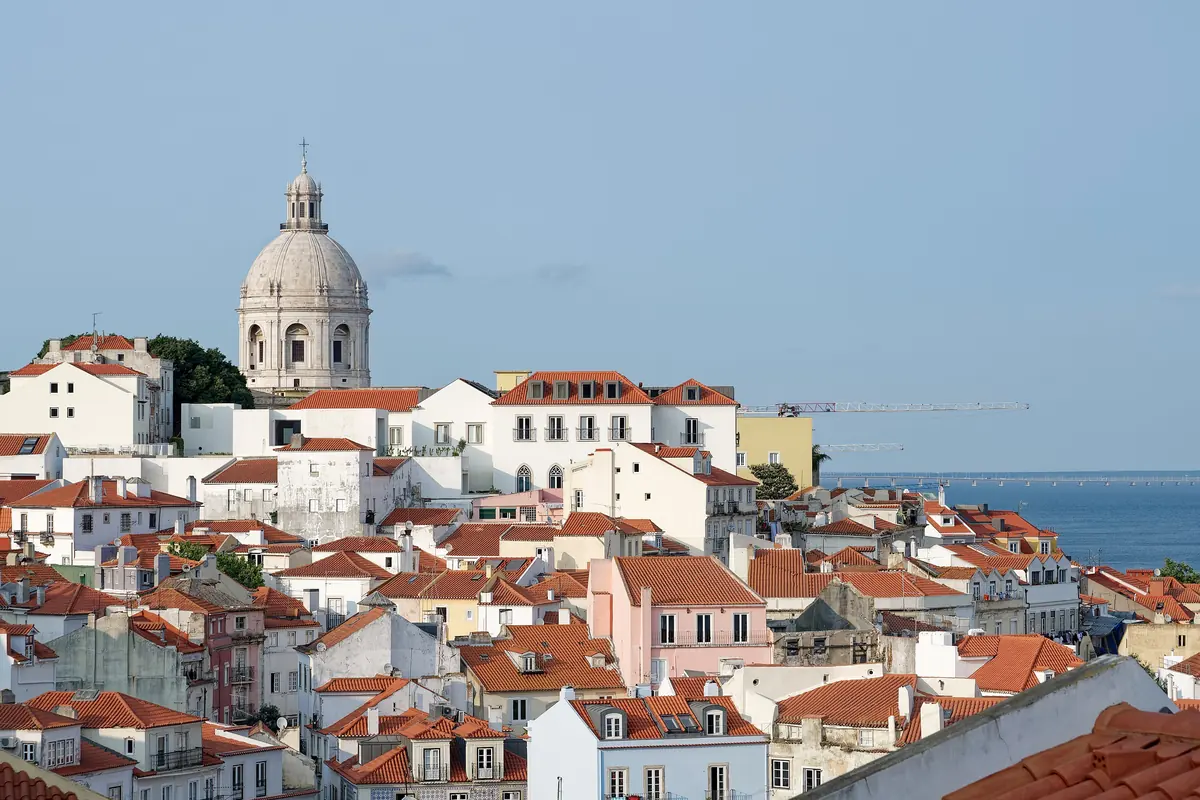
Wikipedia calls Alfama the oldest neighbourhood of Lisbon, spreading on the slope between the São Jorge Castle and the Tagus river. Its name comes from the Arabic al-ḥamma, meaning hot springs. In the time of Moorish rule Alfama was the whole of the city. The 1755 earthquake did not destroy it, so the district stayed a labyrinth of narrow streets and small squares.
The Sé, the cathedral
Lisbon Cathedral, known as the Sé, is the oldest church in the city, built in 1147 according to Wikipedia. It stands to the west of Alfama, on the site of the main mosque after the city was reconquered. Visit Lisboa says visitors can still see its treasury and the Roman ruins that preceded it. It has survived many earthquakes and several rebuildings, so its walls mix architectural styles. It is a natural landmark for finding your way into the neighbourhood.
The viewpoint at Santa Luzia
The Miradouro de Santa Luzia sits near the church of the same name, over remnants of the Moorish city walls, Wikipedia says. Visit Lisboa describes the view from it as the pure essence of Alfama and the splendour of the Tagus, particularly strong on sunny days. Go up when you have time to catch your breath. The photograph on this page was taken from there, looking across the roofs to the river, and the white dome you can see belongs to the National Pantheon.
The castle slope and Portas do Sol
Above Alfama stands the medieval Castle of São Jorge, the royal residence until the early sixteenth century, with views of the city. Wikipedia names the Miradouro das Portas do Sol, the Gates of the Sun, as another terrace on the slope. Visit Lisboa says the square's outdoor cafés give it its name and recommends climbing to an even higher viewpoint. The castle is a climb in itself, so plan it as its own outing rather than squeezing it before a show.
The Museu do Fado
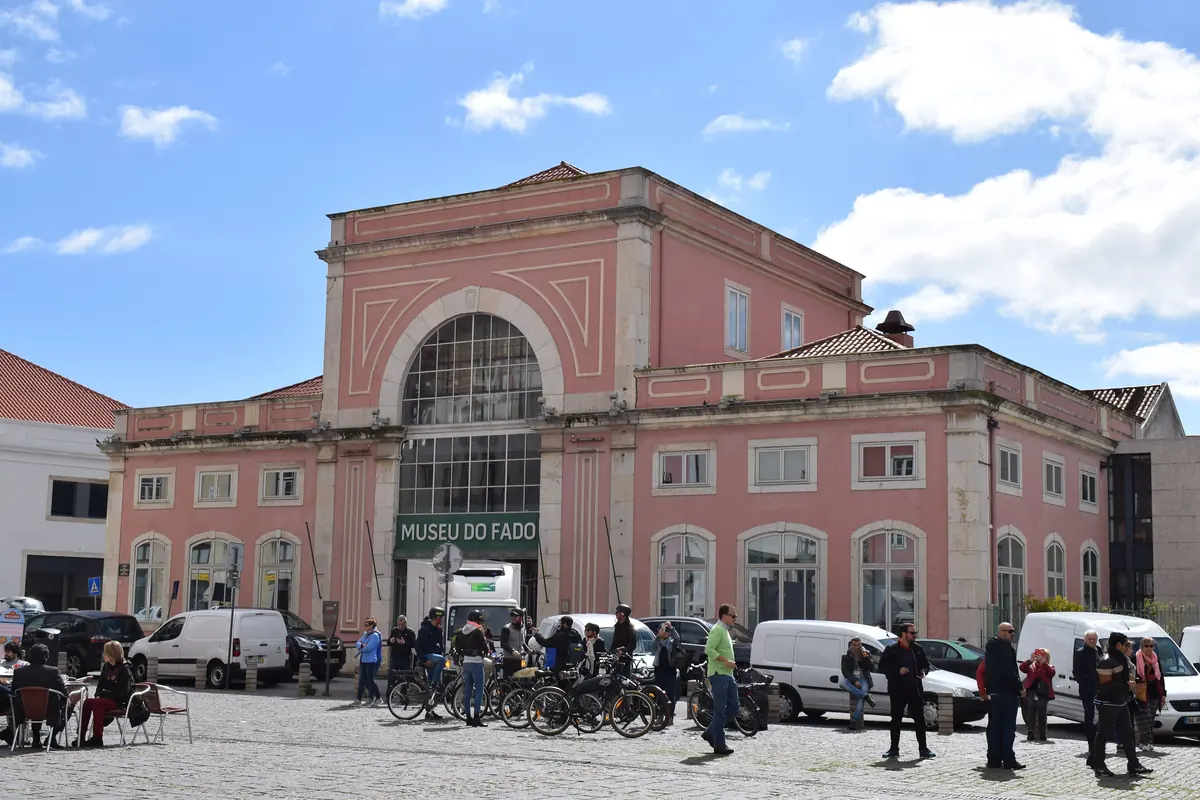
You will find the Museu do Fado on Largo do Chafariz de Dentro, number 1, in Alfama, set within a former water-pumping station. Wikipedia gives its opening as 25 September 1998. Its permanent exhibition shows artworks and objects from fado's history, with an audio guide in several languages, and the museum's own tagline calls it a place to see, hear and feel fado. It is a museum, not a live show. Check its own site for opening times before you go.
Churches, the Pantheon and a longer walk
Wikipedia lists among Alfama's churches the Monastery of São Vicente de Fora, where the kings of the House of Braganza are buried, and the baroque Church of Santa Engrácia, now the National Pantheon for important Portuguese figures. Amália Rodrigues was transferred there in 2001, the first woman laid among the nation's great figures. If you have a day around the show, a slow loop from the Sé up to the viewpoints and back down is enough to see the district's character.
Eating nearby
The Casa Lundum ticket is for the show and a glass of Port, and food may not be brought in, so plan a meal separately. Visit Lisboa says that after the sun sets there are countless restaurants and fado houses in Alfama where you can recharge. Whether any given house has singers on a given night is for that venue to say, so ask when you book a table. A meal before the show leaves you comfortable for an hour of quiet listening.
Who this isn't for
This is a short orientation, not a walking tour with timings. If you cannot manage steep, cobbled lanes, Alfama is a hard neighbourhood to wander, and you should ask the venue about the best route in. If you only have the one hour for the show, skip the rest. And do not rely on this page for opening hours, which change and belong to each site's own pages.
Read next: Casa Lundum Alfama: what to expect
Frequently asked questions
How old is Alfama?
Wikipedia calls it the oldest neighbourhood in Lisbon. Its name comes from the Arabic al-ḥamma, meaning hot springs.
Is the Museu do Fado a live show?
No. It is a museum of fado's history, in a former pumping station in Alfama. It is not a substitute for a live show.
Can I walk around Alfama easily?
It has steep, cobbled lanes, as Visit Lisboa stresses. Allow extra time and wear shoes with grip.
Sources